
Running a Defensive Cycle — Winning by Wearing the Opponent Down
The basics of cycling bulky Pokémon through switches to grind opponents down. Switch timing, residual damage, and what breaks a cycle apart. (updated: 2026-07-22)
What is a defensive cycle?
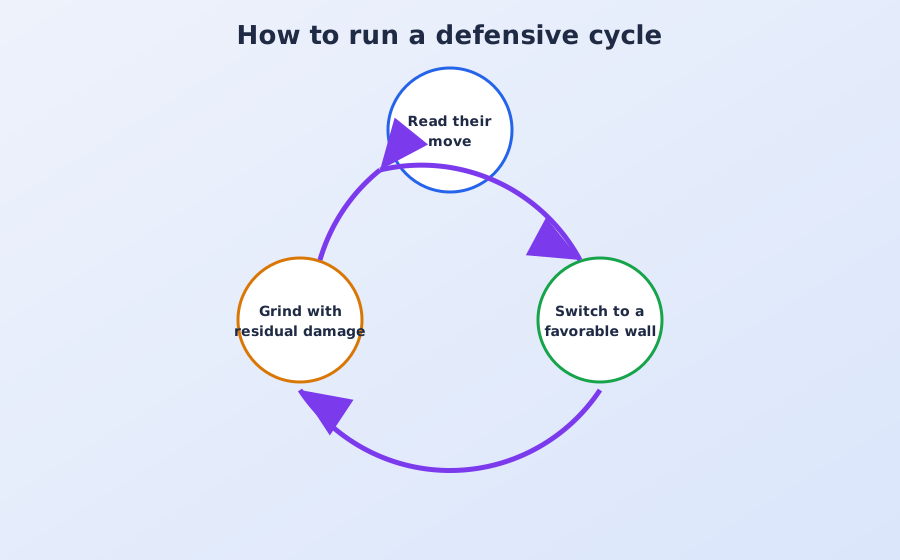
A defensive cycle is a playstyle where you chain bulky Pokémon together through switches, taking hits at half damage or less while grinding the opponent down bit by bit. There's nothing flashy about a single knockout blow — instead, you win solidly by continuously rebuilding favorable matchups.
Switching to create a "favorable matchup"
The heart of cycling is the switch. By bringing in a Pokémon that resists or is immune to the opponent's attack, you minimize the damage you take while setting up your next move.
- Read the opponent's move and switch accordingly: if you expect a Fire-type move, switch to a Water- or Rock-type that resists it. Guess right, and the opponent wastes a turn while you stay at full health.
- Split roles between your walls: having a dedicated physical wall and special wall lets you cover a much wider range of opponents. Cross-check your whole team's resistances carefully when building.
Grinding it down with residual damage
The real damage source in a cycle game is steady chip damage, not big hits.
- Status conditions: poison and burn chip the opponent every turn. Toxic in particular accelerates over time.
- Weather and hazards: sandstorm chip damage, or entry hazards that punish every switch, both add up.
- Outlast them with recovery: Leftovers and recovery moves keep your wall's HP topped up turn after turn.
What breaks a cycle apart
Defensive cycling has natural predators. Plan around them when building your team:
- Setup sweepers: once something boosts with Swords Dance or Dragon Dance, even a resisted hit may no longer be safe to tank. Either take it down before it sets up, or carry a way to ignore stat changes (like a Sturdy-style survival, or a phazing move).
- Taunt: shuts down your recovery and support moves, leaving your wall unable to do anything.
- Broad coverage: an opponent that hits all of your walls for neutral damage or better will simply grind through your cycle.
Balancing offense and defense
Playing pure defense often can't finish the opponent off, leading to stalemates or a time-limit decision. In practice, a hybrid build — stabilize the board defensively, then finish off a weakened opponent with your attacker — tends to be easier to play. See team building basics for how to balance offense and defense to match your own style.